
 CN
CN EN
EN
Do you know the various classification methods of mineral resources?
I. Detailed Classification of Metallic Minerals
Ferrous metal minerals: These include iron, manganese, chromium, vanadium, titanium, nickel, cobalt, tungsten and molybdenum, etc. They are indispensable raw materials in the industrial field.
Non-ferrous metal minerals: These minerals include copper, lead, zinc, tin, bismuth, antimony, mercury, as well as aluminium and magnesium, etc. They play a key role in multiple fields such as construction, electronics and aerospace.
Precious metal minerals: These minerals such as gold, silver, platinum, palladium, osmium, iridium, ruthenium and rhodium, due to their rarity and high value, are often used in jewelry manufacturing and investment fields.
Rare metal minerals: These minerals include niobium, tantalum, beryllium, lithium, zirconium, cesium, rubidium and strontium, etc. They have extensive applications in high-tech industries.
Rare earth metal minerals: This is a type of mineral containing 16 elements with atomic numbers 57-71 and 39 (yttrium). According to their geochemical properties and symbiotic relationships, they are further classified into light rare earth metal minerals and heavy rare earth metal minerals. Light rare earth metals such as lanthanum, cerium, praseodymium and neodymium, while heavy rare earth metals include yttrium, gadolinium, terbium and dysprosium, etc.
Dispersed element minerals: This type of mineral includes germanium, gallium, indium, thallium, cadmium and some other elements, which have important applications in the semiconductor and optoelectronic fields.
Ii. Industrial Applications of Non-metallic Minerals
In the industrial field, non-metallic minerals play a crucial role. These minerals are not only used to extract non-metallic elements such as sulfur and phosphorus, but more importantly, they are widely utilized in various processes, taking advantage of their unique physical, chemical properties and process characteristics. For instance, the hardness and luster of diamond make it an important industrial abrasive. The transparency and insulation of mica have made it shine in the electronics industry. The optical and piezoelectric properties of crystal lay the foundation for its application in the field of optoelectronics.
According to the industrial uses of non-metallic minerals, they can be classified into several major categories: Firstly, there are metallurgical auxiliary raw materials, such as fluorite and magnesite, which play an indispensable role in the metal smelting process; Secondly, there are raw materials for the chemical industry, such as apatite and pyrite, which are important foundations of the chemical industry. In addition, there are industrial manufacturing raw materials, such as graphite and mica, which provide key materials for the production of various industrial products.
In addition, non-metallic minerals also include piezoelectric and optical raw materials, such as piezoelectric quartz and optical quartz, which have extensive applications in high-tech fields. Raw materials for the ceramic and glass industries, such as feldspar and quartz sand, form the basis for the production of ceramic and glass products. Meanwhile, building materials and cement materials are also indispensable parts, such as sand, gravel, gypsum, etc., providing important support for infrastructure construction.
Iii. The Magnificence and Value of Gemstone Materials
Gemstone materials are treasures bestowed upon humanity by nature. They not only possess charming colors and luster, but also contain profound cultural heritage and value. Such as the brilliant luster of diamonds, the vivid colors of rubies and sapphires, and the warm texture of jadeite and hard jade, all these make gemstone materials highly sought-after treasures. Meanwhile, these gemstone materials also have extensive application value in the industrial field.
Iv. Combustible organic rock minerals
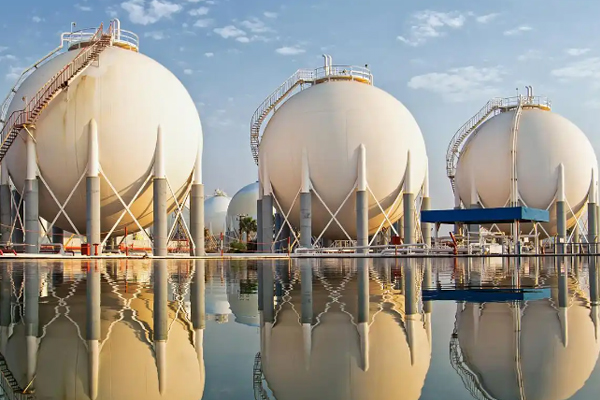
Combustible organic rock minerals, as underground resources, are an important source of energy in both industrial and civil fields. They are not only widely used as fuel but also key raw materials in many chemical productions. From a chemical perspective, these minerals are mainly composed of hydrocarbons and differ from some non-metallic minerals in formation and application, thus being classified as a separate category. According to their physical states, these minerals can be classified into three major categories: Firstly, solid combustible organic rocks, such as coal and peat, etc. Secondly, there are gas-flammable organic rocks, such as natural gas; Finally, there are liquid combustible organic rocks, such as petroleum.
-
 2025-11-22Complete Analysis of Liquefied Petroleum Gas Knowledge: Source, Composition, Usage, Characteristics, and Hazards
 -
 2025-12-01Capturing Opportunities, Expanding Horizons — Zhongbang Shitong Intensifies Talks on Vietnam Aluminum Ingots
 -
 2025-11-22China Aluminium Corporation achieved a "good start" in the first quarter: its net profit exceeded 3.5 billion yuan, an increase of nearly 60% year-on-year
 -
 2025-12-18Zhongbang Shitong International Trade Expresses Gratitude to Aktobe Oblast Government: Forging Ahead with Pragmatic Cooperation in Non-ferrous Metals