
 CN
CN EN
EN
2025-12-01

Capturing Opportunities, Expanding Horizons — Zhongbang Shitong Intensifies Talks on Vietnam Aluminum Ingots
In November 2025, the global aluminum industry landscape underwent profound restructuring, with the Southeast Asian market emerging as one of the core engines driving industry growth. Recently, Zhongbang Shitong International Trade Co., Ltd. (hereinafter referred to as "Zhongbang Shitong International") conducted a special trip to Vietnam for negotiations on aluminum ingot business. The company reached multiple consensuses with local core aluminum enterprises and relevant institutions on key issues such as aluminum ingot procurement, supply chain collaboration, and technical cooperation, laying a solid foundation for in-depth cooperation between both parties in the follow-up.
As the world's second-largest country in terms of bauxite reserves, Vietnam possesses abundant bauxite resources totaling 5.8 billion tons, among which the reserves in Dak Nong Province account for more than 90% of the national total, endowing it with unique advantages for developing the aluminum industry. Currently, Vietnam is in a critical stage of transforming from raw material export to processing and manufacturing. From the perspective of the current industrial development situation, Vietnam's aluminum industry is characterized by parallel capacity expansion and structural upgrading: major projects are accelerating their implementation. The Dak Nong electrolytic aluminum project, as Vietnam's first electrolytic aluminum plant, has entered the core equipment installation stage, with a designed annual capacity of 450,000 tons. It is constructed in three phases and is planned to achieve phase I commissioning in the second quarter of 2026. At the same time, projects such as the 16.4-billion-yuan bauxite-alumina-electrolytic aluminum integrated project of Dejiang Chemical Group and the alumina capacity expansion project of TKV Group are being promoted one after another. It is expected that a large-scale full-industry-chain cluster will be formed by 2030. At the policy level, the Vietnamese government has listed the aluminum industry as a priority development area. It has implemented policies such as zero tariffs on high-end aluminum processing equipment, reduction or exemption of export taxes on deep-processed products, and provision of financial credit support to encourage industrial upgrading. Meanwhile, in the 2021-2030 Mineral Resources Plan, it has clearly set goals to increase alumina and primary aluminum production capacity, striving to achieve an annual output of 450,000 to 900,000 tons of aluminum ingots after 2030. However, the industrial development also faces significant challenges, with increasingly stringent environmental regulations becoming a core constraint. According to the 2020 Environmental Protection Law, environmental impact assessment approvals for high environmental risk projects such as aluminum smelting have been centralized at the ministerial level. The discharge standards for heavy metals in wastewater are strict and the cost of hazardous waste treatment is high. At the same time, the stability of power supply also poses a test for continuous production. On the market demand side, Vietnam's domestic aluminum market is vibrant. In 2024, the market valuation reached 5.01 billion US dollars and consumption exceeded 1.925 million tons, driven mainly by construction, real estate, and infrastructure construction. With the rapid development of the recycled aluminum industry, the regional recycling rate has increased to 41% in 2025. It is expected that by 2030, the market scale will reach 7.57 billion US dollars and consumption will hit 3.087 million tons, achieving leapfrog growth.
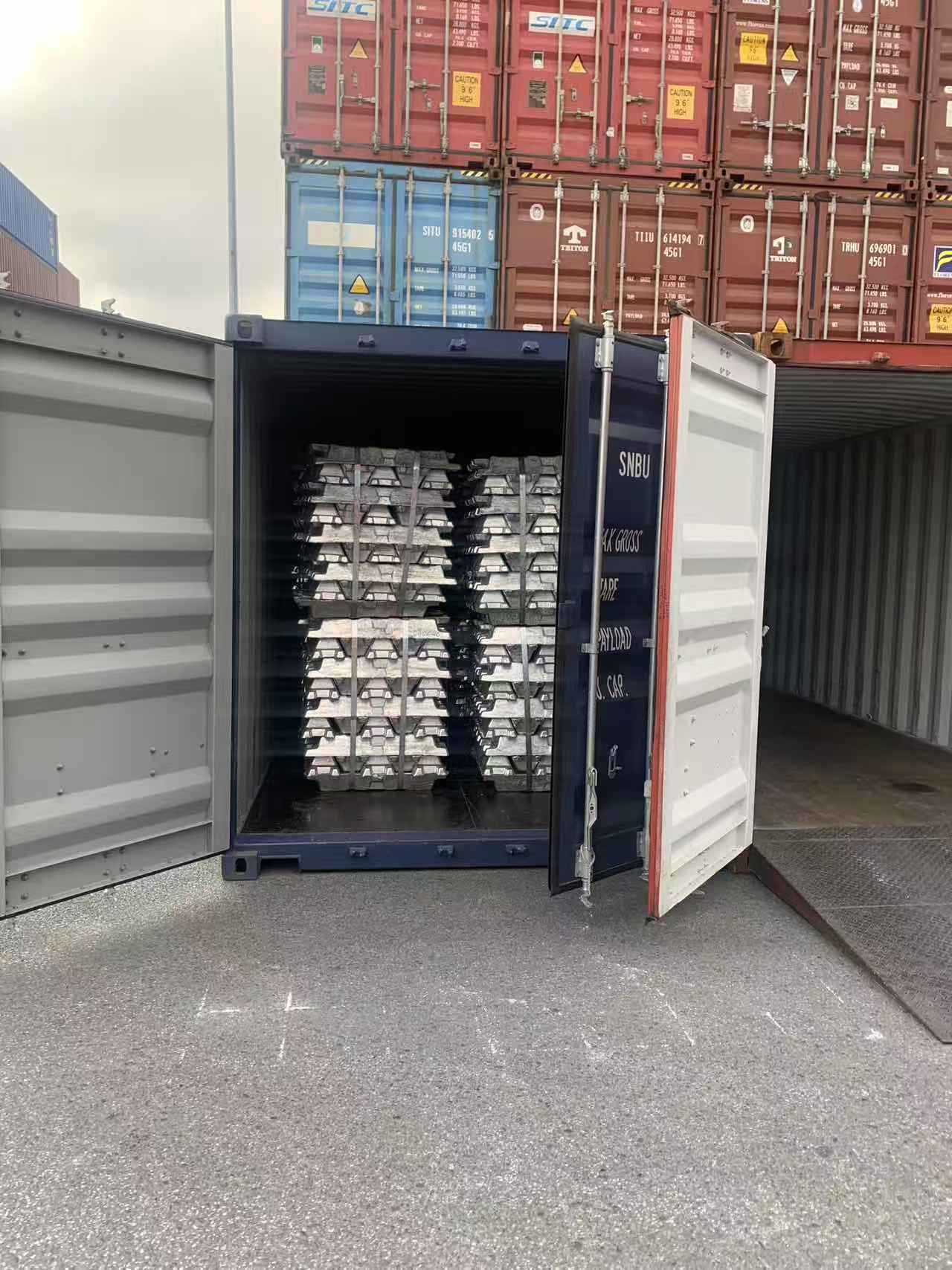
During this negotiation, Zhongbang Shitong International gave full play to its advantages in resource integration in the field of international trade and its experience in supply chain services. Combined with the current development status of Vietnam's aluminum industry, it proposed a "resource-processing-trade" full-chain cooperation concept. Both parties conducted in-depth consultations focusing on core issues such as procurement standards for high-purity aluminum ingots, long-term supply mechanisms, and optimization of logistics and warehousing. In response to the technological upgrading needs and international market access challenges faced by Vietnamese aluminum enterprises, Zhongbang Shitong International proposed that relying on its global channel advantages, it can help Vietnamese aluminum ingots connect with key consumer markets in China and Southeast Asia. At the same time, it will explore the introduction of advanced production technologies to increase product added value and jointly cope with trade barriers such as international market tariff adjustments.
Relevant person in charge of Zhongbang Shitong International stated that Vietnam's aluminum industry has both resource endowments and market growth potential, which is highly aligned with the company's overseas business expansion strategy. The smooth progress of this negotiation has not only built an efficient bridge for cooperation and communication between both parties but also conformed to the trend of complementary development of the aluminum industries in China and Vietnam. As a professional enterprise deeply engaged in the international trade of metal products, Zhongbang Shitong International will take this negotiation as an opportunity to continuously deepen collaborative linkage with Vietnamese partners. Through customized supply chain solutions, it will help Vietnam realize the efficient transformation of high-quality aluminum resources and provide stable and reliable aluminum ingot supply guarantee for domestic and global customers.
It is worth noting that China and Vietnam have already formed a profound cooperation foundation in the aluminum industry field. China's advanced electrolytic aluminum technology has been successfully applied in key projects such as Vietnam's Dak Nong, and the cooperation between the two sides has gradually evolved from resource exploitation to a full-industry-chain coupling stage featuring technology export and capacity collaboration. This aluminum ingot business negotiation between Zhongbang Shitong International and Vietnam has further enriched the dimensions of China-Vietnam aluminum industry cooperation. With the dividends of regional trade agreements such as RCEP, it is expected to build a new cooperation pattern of "Vietnamese resources + Chinese technology + global market", injecting new momentum into promoting the high-quality development of the Southeast Asian aluminum industry.
Zhongbang Shitong International will set up a special working group to accelerate the implementation of cooperation details, continuously follow up on the progress of Vietnam's aluminum ingot capacity release, optimize logistics and settlement processes, and ensure the steady advancement of cooperation projects. In the future, the company will continue to focus on high-quality resources in the global aluminum industry and deepen international capacity cooperation. While realizing its own high-quality development, it will make positive contributions to promoting the coordinated development of regional economic and trade.
-
 2025-11-22Do you know the various classification methods of mineral resources?
 -
 2026-01-08Entering a New ASEAN Commodity Trade Track
 -
 2025-11-22How to explore the reasons for the rise in aluminum ingot prices? What factors are driving the rise?
 -
 2025-11-22China Aluminium Corporation achieved a "good start" in the first quarter: its net profit exceeded 3.5 billion yuan, an increase of nearly 60% year-on-year